
Track Lighting
Track lighting offers an unparalleled combination of flexibility, style, and functionality. Whether you're looking to create focused lighting for a specific task, illuminate an entire room, or add a modern design element to your home, track lighting can meet all your needs. With its wide range of styles, configurations, and advanced features like dimming and energy-efficient LEDs, track lighting is a smart and stylish choice for any space.
Whether in the kitchen, living room, or office, track lighting provides the perfect way to illuminate and transform your space.

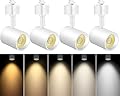
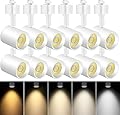

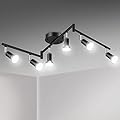

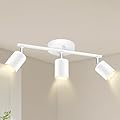
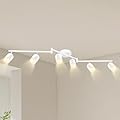
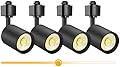

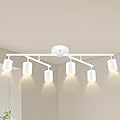
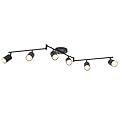

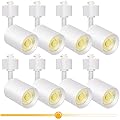


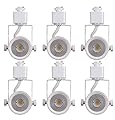
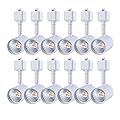
![[12 Pack] CLOUDY BAY 8W 3000K Warm White Dimmable LED Track Light Head,CRI90+ True Color Rendering Adjustable Tilt Angle Track Lighting Fixture,40° Angle for Accent Retail,White,Halo Type](https://m.media-amazon.com/images/I/41DZZeFCRlL.01_SL120_.jpg "[12 Pack] CLOUDY BAY 8W 3000K Warm White Dimmable LED Track Light Head,CRI90+ True Color Rendering Adjustable Tilt Angle Track Lighting Fixture,40° Angle for Accent Retail,White,Halo Type")



What is Track Lighting?
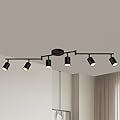
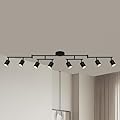
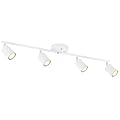
Track lighting is a type of lighting fixture where multiple lights are mounted on a continuous track or rail, which is typically attached to the ceiling. This setup allows the lights to be adjusted along the track to focus light on specific areas of the room. Track lighting is highly customizable, making it a popular choice for both residential and commercial spaces.
Track lighting consists of three primary components:
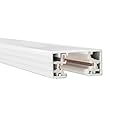
- The Track: The rail that houses the wiring and supports the lights. The track can be straight or curved and is available in various finishes and lengths.
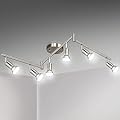
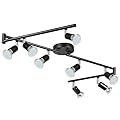
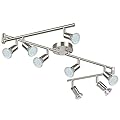
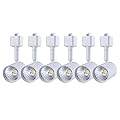
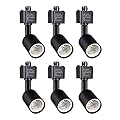
- The Fixtures: These are the light units that attach to the track and are adjustable, allowing for flexibility in light placement.
- The Power Source: The track is connected to an electrical source, typically through a junction box in the ceiling.
The History of Track Lighting
Track lighting first became popular in the 1960s and 1970s as part of the modernist movement, which emphasized clean lines, simplicity, and functionality. It was initially used in galleries and museums to spotlight artwork and exhibits. Over time, track lighting found its way into homes, commercial spaces, and offices due to its adaptability and sleek design.
Today, track lighting has evolved to incorporate advanced technologies, such as LED bulbs, dimming capabilities, and wireless control systems. This innovation has made track lighting an even more attractive choice for a variety of spaces.
Types of Track Lighting
There are several types of track lighting systems available, each offering different features and design possibilities. The main types of track lighting include:
1. H-Type Track Lighting
H-type track lighting is the most common style and features three conductors within the track that allow the individual fixtures to be placed anywhere along the track. The "H" stands for "Horizontal," referring to the electrical conductors, which are aligned horizontally inside the track.
- Advantages: The versatility of H-type track lighting makes it a great option for almost any room. The adjustable fixtures allow you to direct light where it's needed most, making it ideal for highlighting architectural features or specific areas of a room.
- Best For: Living rooms, kitchens, dining areas, and art galleries.
2. J-Type Track Lighting
J-type track lighting is similar to H-type but uses a different type of mounting system and connection for the light fixtures. This system is often used for lower-voltage lighting or decorative purposes.
- Advantages: J-type track lighting provides excellent directional lighting and is ideal for showcasing focal points like artwork or sculptures.
- Best For: Retail spaces, art installations, and exhibition spaces.
3. L-Type Track Lighting
L-type track lighting is distinguished by its L-shaped design, with conductors placed at a right angle. This type is best used when a more compact or corner-focused lighting solution is needed.
- Advantages: L-type systems are perfect for smaller rooms or spaces where you need to shine light in multiple directions without taking up too much ceiling space.
- Best For: Small kitchens, hallways, and corners of rooms.
4. Monorail Track Lighting
Monorail track lighting is a more contemporary version of the traditional track lighting system. It uses a single, curved track to support the light fixtures, which can be spaced in a variety of ways. Monorail lighting is often made of flexible materials, allowing for creative, curved designs.
- Advantages: The sleek, modern design of monorail track lighting allows it to be incorporated into a wide range of interiors. Its flexibility makes it ideal for unique or custom layouts.
- Best For: Modern homes, open-concept spaces, and areas with irregular layouts.
Benefits of Track Lighting
Track lighting offers a range of benefits that make it a popular choice for homeowners and designers alike. Here are some of the most compelling reasons to choose track lighting for your space:
1. Versatility and Flexibility
One of the biggest advantages of track lighting is its flexibility. The lights on a track can be easily adjusted, repositioned, and even replaced without the need for rewiring or major modifications. This makes track lighting an excellent choice for spaces where the lighting needs change frequently, such as in kitchens, living rooms, and galleries.
2. Targeted Illumination
Track lighting allows you to focus light precisely where it is needed. This is particularly useful for tasks like reading, cooking, or showcasing artwork. Unlike ceiling-mounted fixtures that cast light in all directions, track lighting lets you concentrate light on specific areas, creating a dramatic effect or brightening up workspaces.
3. Aesthetically Pleasing
With its sleek, modern design, track lighting can enhance the overall look of a room. It works well in both minimalist and industrial-style interiors, where the fixtures themselves become part of the room’s design. Track lighting can also be used to create a sense of movement, especially when the track is curved or positioned in unique ways.
4. Easy Installation
Track lighting systems are relatively simple to install, especially when compared to other types of overhead lighting. Most systems are designed to be mounted directly to the ceiling, and many models come with installation kits that include everything needed for a quick and easy setup.
5. Energy Efficiency
Modern track lighting fixtures, especially those using LED bulbs, are highly energy-efficient. LED lights consume less energy, last longer, and generate less heat than traditional incandescent bulbs, which can help lower energy costs over time.
How to Choose the Right Track Lighting for Your Space
When selecting track lighting for your home or office, it's important to consider a few key factors that will influence both the functionality and aesthetic appeal of the system:
1. Determine Your Lighting Needs
Before choosing a track lighting system, consider the specific lighting needs of your space. Are you looking to highlight certain features, such as artwork or architectural elements? Or do you need general illumination for a larger area? The type of track lighting system you choose will depend on whether you need focused light, ambient light, or a combination of both.
2. Decide on the Style of Track Lighting
Track lighting comes in a variety of styles, so choose one that complements your space’s decor. For instance, if you have a modern or industrial-style interior, you may want to opt for a monorail or exposed track system with sleek fixtures. If your style is more traditional, you may prefer a classic H-type track with simple, adjustable heads.
3. Consider the Layout of Your Room
Think about the size and layout of your room when planning the track lighting configuration. If your room has multiple focal points (like an open-plan kitchen and living area), you may need multiple tracks to provide sufficient lighting coverage. Consider whether you want the track to run along a straight line, curve around the room, or be mounted on the ceiling at an angle.
4. Select the Right Type of Bulb
Track lighting can use a variety of bulbs, including halogen, incandescent, and LED. The type of bulb you choose will affect the intensity, warmth, and energy efficiency of your lighting. LED bulbs are a popular choice because of their longevity and energy savings, and they come in a wide range of color temperatures to suit different atmospheres.
5. Look for Dimmable Features
If you're looking for versatility, consider selecting dimmable track lighting fixtures. This allows you to adjust the light output depending on the time of day or the activity you're engaging in, whether it’s reading, hosting a dinner party, or relaxing in the evening.
Track Lighting Design Ideas
Track lighting can be used in a variety of settings to enhance the design and functionality of a space. Here are a few creative ways to incorporate track lighting into your home or office:
1. Highlight Artwork and Sculptures
Track lighting is an excellent way to highlight art pieces in your home. Use adjustable track heads to direct light onto paintings, photographs, or sculptures to draw attention to them and create a gallery-like atmosphere.
2. Illuminate Your Kitchen
In the kitchen, track lighting can be used to provide task lighting over cooking areas, countertops, or islands. You can also use track lighting to create accent lighting in specific areas, such as under cabinets or above a breakfast bar.
3. Accent Lighting for Living Rooms
Create a cozy atmosphere in your living room with track lighting. Use the adjustable fixtures to focus light on specific areas, such as reading chairs, coffee tables, or architectural features like a fireplace.
4. Office Lighting
In home offices or workspaces, track lighting is ideal for illuminating desks and workstations. Adjustable lights can be directed to provide focused lighting for tasks such as reading, writing, or using a computer.
5. Retail and Commercial Spaces
Track lighting is commonly used in retail environments to showcase products and merchandise. By positioning the lights to highlight displays or aisles, track lighting helps create an inviting atmosphere that draws customers’ attention.