
LED Strip Lights
LED strip lights are an exceptional lighting solution that combines style, functionality, and energy efficiency. With their versatile design, customizable features, and endless creative possibilities, LED strip lights can transform any space into a vibrant, illuminated masterpiece. Whether you’re upgrading your home décor, enhancing a workspace, or adding flair to a special event, LED strip lights offer the perfect balance of practicality and aesthetics.


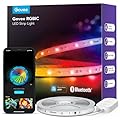

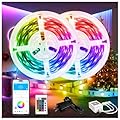

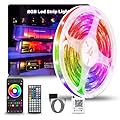
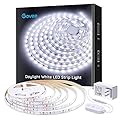



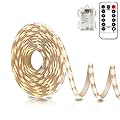
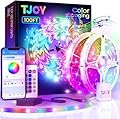


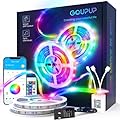
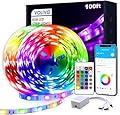

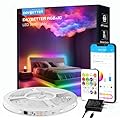
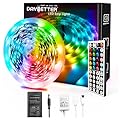
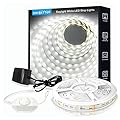


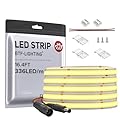
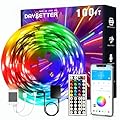
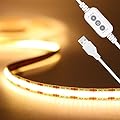
What Are LED Strip Lights?
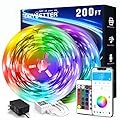
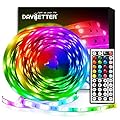
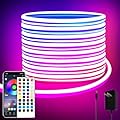
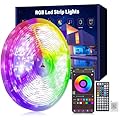
LED strip lights are flexible circuit boards embedded with light-emitting diodes (LEDs) that produce bright, energy-efficient illumination. These strips are typically backed with adhesive, allowing them to be easily mounted on a variety of surfaces, including walls, ceilings, furniture, and even vehicles.
LED strip lights come in various lengths, brightness levels, and colors, making them suitable for a wide range of applications. Whether you’re looking to add subtle accent lighting to a room or create a bold, dynamic lighting display, LED strip lights offer a customizable and user-friendly solution.
Benefits of LED Strip Lights
1. Energy Efficiency
One of the biggest advantages of LED strip lights is their energy efficiency. LED technology uses significantly less electricity than traditional lighting, helping you reduce energy consumption and lower utility bills. Despite their low power usage, LED strip lights provide bright, high-quality illumination.
2. Versatility in Design
LED strip lights are highly flexible, allowing them to be cut to size and shaped to fit almost any space. Whether you need lighting for a curved surface, tight corner, or long, straight line, these adaptable lights can meet your needs.
3. Wide Range of Colors
LED strip lights are available in a spectrum of colors, from warm white to vibrant RGB (red, green, blue) options. Some models even feature adjustable color temperatures or full RGB color-changing capabilities, giving you complete control over the ambiance of your space.
4. Easy Installation
With peel-and-stick adhesive backing, LED strip lights are incredibly easy to install. Many models also come with plug-and-play connectors, so you don’t need any special tools or expertise to set them up.
5. Longevity and Durability
LED strip lights are built to last, with an average lifespan of up to 50,000 hours. Their durable construction and low heat output make them safe for prolonged use and resistant to wear and tear.
6. Customization Options
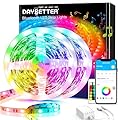
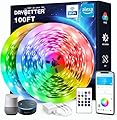
From dimmable brightness to programmable lighting effects, LED strip lights can be customized to suit your preferences. Many modern models can be controlled via remote, smartphone app, or voice assistants like Alexa and Google Assistant.
7. Low Profile and Discreet Appearance
LED strip lights have a slim, low-profile design that allows them to blend seamlessly into any setting. They can be hidden behind furniture, under cabinets, or along architectural features, providing discreet yet impactful lighting.
Types of LED Strip Lights
1. Single-Color LED Strip Lights
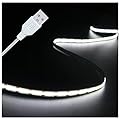
These strip lights emit one consistent color, such as warm white, cool white, or a solid hue like blue or red. They’re ideal for task lighting, under-cabinet lighting, and accent lighting.
2. RGB LED Strip Lights
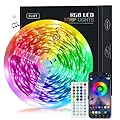
RGB strip lights can produce a wide range of colors by combining red, green, and blue LEDs. They’re perfect for creating dynamic, colorful displays and are often used for gaming setups, entertainment areas, and parties.
3. RGBW LED Strip Lights
Adding a white LED alongside the red, green, and blue LEDs, RGBW strip lights offer the best of both worlds. They allow you to switch between vibrant colors and clean, crisp white light, making them versatile for both functional and decorative use.
4. Smart LED Strip Lights
Smart LED strip lights can be controlled via smartphone apps or smart home systems. They often feature advanced capabilities, such as color changing, scheduling, and syncing with music or movies for immersive experiences.
5. Waterproof LED Strip Lights
Designed for outdoor use or areas with high humidity, waterproof LED strip lights are encased in a protective coating that shields them from moisture and weather. They’re ideal for patios, gardens, and bathrooms.
6. High-Density LED Strip Lights
High-density strip lights feature more LEDs per meter, providing brighter and more uniform illumination. They’re great for applications where intense lighting is needed, such as workspaces or display cases.
7. COB LED Strip Lights
COB (Chip on Board) LED strip lights offer continuous, seamless lighting with no visible gaps between LEDs. These strips create a smooth, even glow and are popular for modern and minimalistic designs.
Creative Applications for LED Strip Lights
1. Under-Cabinet Lighting
LED strip lights are a popular choice for illuminating kitchen countertops. Installed under cabinets, they provide focused task lighting that makes food preparation safer and easier.
2. Backlighting for TVs and Monitors
Adding LED strip lights behind your television or computer monitor can enhance your viewing experience by reducing eye strain and creating a cinematic ambiance.
3. Accent Lighting for Furniture
Highlight furniture pieces like sofas, beds, or shelves with LED strip lights to add a stylish glow to your interior décor.
4. Staircase Lighting
Illuminate staircases with LED strip lights for both aesthetic appeal and safety. They can be placed along stair treads or underneath the handrails for a subtle yet effective effect.
5. Cove and Ceiling Lighting
LED strip lights can be installed in coves, trays, or recessed areas of ceilings to create a stunning indirect lighting effect. This application is perfect for living rooms, dining rooms, and bedrooms.
6. Outdoor Lighting
Waterproof LED strip lights are perfect for lighting up patios, decks, pathways, and gardens. They add ambiance to outdoor spaces while improving visibility at night.
7. Holiday and Party Decorations
LED strip lights are a fun and flexible way to decorate for holidays, birthdays, and other celebrations. With RGB color-changing options, you can easily customize the lights to match any theme.
8. Retail and Commercial Spaces
Businesses use LED strip lights to enhance displays, highlight products, and create inviting atmospheres. They’re commonly used in restaurants, bars, and retail stores.
9. Automotive and Boat Lighting
LED strip lights are often used to customize vehicles and boats. They can be installed in the interior, undercarriage, or exterior for a unique and personalized touch.
How to Choose the Right LED Strip Lights
1. Determine Your Purpose
Identify the primary use of your LED strip lights. Are they for accent lighting, task lighting, or decorative purposes? Knowing your goals will help you select the right type of LED strip lights.
2. Consider Brightness Levels
Brightness is measured in lumens per meter. Higher brightness levels are ideal for task lighting, while lower levels are suitable for ambient lighting.
3. Choose the Right Color Temperature
For white LED strip lights, consider the color temperature:
- Warm White (2700K-3000K): Soft, cozy lighting for living rooms and bedrooms.
- Cool White (4000K-5000K): Bright and neutral lighting for kitchens and workspaces.
- Daylight (6000K-6500K): Crisp and energizing lighting for commercial or industrial settings.
4. Decide Between Single-Color and RGB
If you want dynamic, colorful lighting, choose RGB or RGBW strip lights. For more straightforward applications, single-color lights are a better option.
5. Check for Compatibility with Smart Systems
If you want to integrate your LED strip lights into a smart home system, look for models that are compatible with apps or voice assistants.
6. Assess Length and Flexibility
Measure the area where you plan to install the lights to determine the required length. If you need to cover complex shapes or curved surfaces, ensure the strips are flexible enough to accommodate them.
7. Opt for Dimmable Features
Dimmable LED strip lights allow you to adjust brightness levels for different moods and settings.
Installation Tips for LED Strip Lights
-
Clean the Surface
Before installing your LED strip lights, clean the surface to ensure the adhesive backing sticks securely. -
Plan the Layout
Map out the placement of the strip lights and ensure you have access to a power source nearby. -
Cut with Care
If you need to trim your LED strip lights, cut only at the designated cutting points marked on the strip. -
Use Connectors
For complex layouts, use connectors to join multiple strips or create sharp angles. -
Hide the Wires
Conceal power cords and connectors to maintain a clean and polished appearance.