Lighting Products Store Online - ChooseLighting.com

Factors to Consider When Choosing Lighting
Now that you understand the basic types of lighting, it's time to dive into the practical aspects of choosing the right lighting for your home. Several factors can influence your lighting choices, including the room’s purpose, size, style, and ambiance.
1. Room Function and Purpose
The purpose of a room plays a significant role in determining the type of lighting you'll need. Different rooms in your home have different functions, so it’s essential to choose lighting that suits each room’s unique needs.
Living Room:
The living room is a space for relaxation and socialization, so you’ll want to combine ambient lighting with task and accent lighting. Consider a central ceiling fixture for general illumination, supplemented by floor lamps, table lamps, or wall sconces for reading or setting a cozy mood.
Kitchen:
In the kitchen, task lighting is essential for cooking and food preparation. Use under-cabinet lights to illuminate countertops and workspaces. Pendant lights above the island or dining area can add both task and accent lighting, while recessed lighting can provide general illumination.
Bedroom:
In the bedroom, ambient lighting sets the mood, while task lighting is needed for activities like reading. Consider wall sconces or table lamps next to the bed for easy reading, and opt for a central ceiling light for general lighting.
Bathroom:
Bathrooms require a mix of task and ambient lighting. Vanity lighting is essential for tasks like shaving or applying makeup, so consider bright, even lighting around the mirror. Additionally, ceiling lights provide ambient lighting for the overall room.
Office:
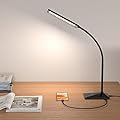
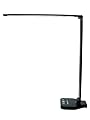
For home offices, task lighting is a must. Desk lamps with adjustable arms or dimmable pendant lights can provide focused light for work activities. Consider using indirect ambient lighting, such as ceiling lights or wall-mounted fixtures, to reduce glare on your screen.
2. Room Size
The size of the room will affect how much light you need and what types of fixtures are suitable. In smaller rooms, a single pendant light or ceiling fixture may be enough to provide sufficient lighting. However, larger rooms may require multiple light sources to achieve proper illumination.
Consider the foot-candle measurement (a unit of light intensity) when choosing lighting for larger spaces. You’ll need more powerful fixtures, such as recessed lights or track lighting, to ensure the entire room is adequately lit.
3. Lighting Style
Your lighting choices should complement the overall aesthetic of your home. Whether you’re designing a modern, traditional, or industrial-style space, lighting can enhance the design and make your home feel cohesive.
Modern Style:
In modern homes, clean lines and minimalist designs are key. Choose sleek, contemporary light fixtures like recessed lights, pendant lights with geometric designs, or track lighting.
Traditional Style:
For a traditional home, opt for more ornate fixtures such as chandeliers, sconces, and table lamps with classic designs. Look for fixtures with warm metal finishes and decorative glass shades.
Industrial Style:
In industrial-style spaces, exposed bulbs, Edison-style light fixtures, and pendant lights with matte finishes add to the rustic, industrial charm. Consider using exposed beams and pendant lights with black or brushed steel finishes.
4. Color Temperature
Color temperature refers to the warmth or coolness of the light emitted by a bulb, measured in Kelvin (K). Understanding color temperature is essential to choosing the right lighting for different rooms and activities.
- Warm light (2,700K–3,000K): Ideal for creating a cozy, inviting atmosphere in living rooms, bedrooms, and dining rooms.
- Neutral light (3,500K–4,100K): Works well in kitchens, bathrooms, and home offices where you need bright, clear light for tasks.
- Cool light (5,000K–6,500K): Great for workspaces and areas where you need focused, bright light, such as reading or cooking. It mimics daylight and is energizing.
5. Dimming Capabilities
Dimmable lights are a fantastic option if you want to control the brightness based on the time of day or activity. For example, in a living room or bedroom, you may want to dim the lights for a relaxing evening, while in the kitchen or office, bright lighting may be necessary. Look for fixtures with dimming options to add flexibility to your lighting setup.
6. Light Bulb Options
There are several types of light bulbs to choose from, and each one has its own benefits and drawbacks:
- Incandescent bulbs: Provide warm light and are inexpensive, but they are less energy-efficient and have a shorter lifespan.
- LED bulbs: Energy-efficient, long-lasting, and available in a wide range of color temperatures. They’re the best choice for modern homes.
- CFL bulbs: More energy-efficient than incandescent bulbs but contain trace amounts of mercury, which requires special disposal.
- Halogen bulbs: Provide bright, crisp light and are commonly used in track lighting or spotlights.
When choosing light bulbs, always consider energy efficiency, cost, and the desired lighting effect.
Choosing the Right Fixtures
Now that you understand the different types of lighting and the factors to consider, it’s time to explore the different types of fixtures available. Here’s a rundown of some popular lighting fixtures and their uses:
1. Ceiling Lights
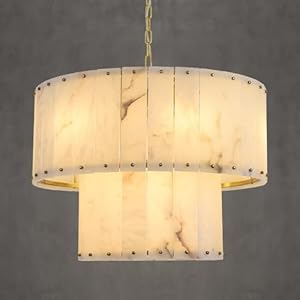
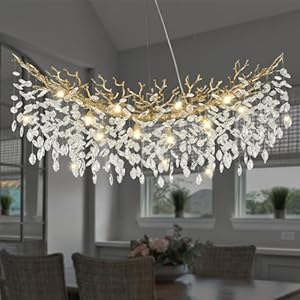
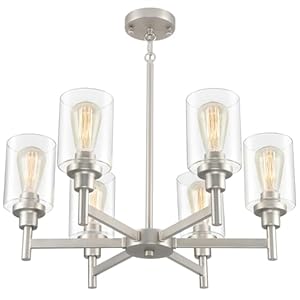
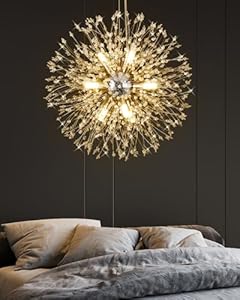
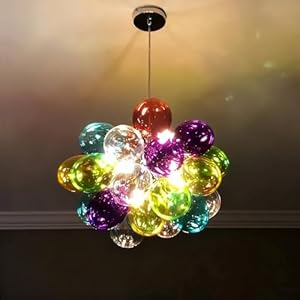
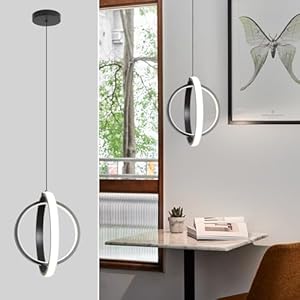
Ceiling lights are the most common source of ambient lighting in a room. They come in various styles, including chandeliers, flush mounts, and pendant lights. Ceiling lights work well in larger spaces where you need broad illumination.
- Chandeliers: Great for large dining rooms or entryways.
- Flush Mounts: Ideal for rooms with low ceilings.
- Pendant Lights: Perfect for kitchens, dining rooms, and areas where you want focused lighting.
2. Table Lamps and Floor Lamps
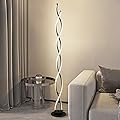
Table lamps and floor lamps are versatile and portable options for adding both task and ambient lighting. They can be used to highlight specific areas, such as a reading nook or side tables, and can easily be moved around as needed.
3. Wall Sconces
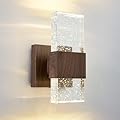
Wall sconces provide accent lighting and are great for highlighting artwork, architectural features, or simply adding a touch of elegance to a room. They work well in hallways, bathrooms, and as complementary fixtures in living rooms.
4. Track and Recessed Lighting
Track lighting and recessed lighting are excellent choices for task lighting. Both allow you to direct light where you need it, such as over a kitchen countertop, art pieces, or work areas. They are particularly popular in kitchens and offices.



![[6 Pack] CLOUDY BAY 6inch Smart WiFi LED Recessed Lights,RGB Color Changing Recessed Lighting,Compatible with Alexa and Google Home Assistant,15W 2700K-6500K,CRI90+ Wet Location,Oil Rubbed Bronze](https://m.media-amazon.com/images/I/41uEqxePqtL.01_SL120_.jpg "[6 Pack] CLOUDY BAY 6inch Smart WiFi LED Recessed Lights,RGB Color Changing Recessed Lighting,Compatible with Alexa and Google Home Assistant,15W 2700K-6500K,CRI90+ Wet Location,Oil Rubbed Bronze")
![[6 Pack] CLOUDY BAY 4inch Smart WiFi LED Recessed Lights,RGB Color Changing Recessed Lighting,Compatible with Alexa and Google Home Assistant,10W 2700K-6500K,CRI90+ Wet Location,Oil Rubbed Bronze](https://m.media-amazon.com/images/I/41U9R9FaGWL.01_SL120_.jpg "[6 Pack] CLOUDY BAY 4inch Smart WiFi LED Recessed Lights,RGB Color Changing Recessed Lighting,Compatible with Alexa and Google Home Assistant,10W 2700K-6500K,CRI90+ Wet Location,Oil Rubbed Bronze")
![[4 Pack] CLOUDY BAY 4inch Smart Wifi LED Recessed Lights,RGBCW Color Changing Recessed Lighting,Compatible with Alexa and Google Home Assistant,No Hub Required,10W 2700K-6500K,CRI90+ WET Location](https://m.media-amazon.com/images/I/41BCdElujeL.01_SL120_.jpg "[4 Pack] CLOUDY BAY 4inch Smart Wifi LED Recessed Lights,RGBCW Color Changing Recessed Lighting,Compatible with Alexa and Google Home Assistant,No Hub Required,10W 2700K-6500K,CRI90+ WET Location")
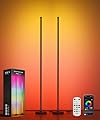
![[2025 New]42W Bright Tree Floor Lamp, Dimmable 3900 LM LED Standing Lamp with Remote, 4 Color Temperatures, Individual Control, 3 Rotable Head Modern Floor Lamps for Living Room Bedroom Office](https://m.media-amazon.com/images/I/410N6iYT6VL.01_SL120_.jpg "[2025 New]42W Bright Tree Floor Lamp, Dimmable 3900 LM LED Standing Lamp with Remote, 4 Color Temperatures, Individual Control, 3 Rotable Head Modern Floor Lamps for Living Room Bedroom Office")
![[12 Pack]Cloudy Bay 4inch Smart Wifi LED Recessed Lighting,RGBCW Color Changing, Compatible with Alexa and Google Home Assistant, No Hub Required,10W 650LM, 2700K-6500K,CRI90+ WET Location,12 Pack](https://m.media-amazon.com/images/I/41GTp+8R3bL.01_SL120_.jpg "[12 Pack]Cloudy Bay 4inch Smart Wifi LED Recessed Lighting,RGBCW Color Changing, Compatible with Alexa and Google Home Assistant, No Hub Required,10W 650LM, 2700K-6500K,CRI90+ WET Location,12 Pack")
![[12 Pack] CLOUDY BAY 8W 3000K Warm White Dimmable LED Track Light Head,CRI90+ True Color Rendering Adjustable Tilt Angle Track Lighting Fixture,40° Angle for Accent Retail,White,Halo Type](https://m.media-amazon.com/images/I/41DZZeFCRlL.01_SL120_.jpg "[12 Pack] CLOUDY BAY 8W 3000K Warm White Dimmable LED Track Light Head,CRI90+ True Color Rendering Adjustable Tilt Angle Track Lighting Fixture,40° Angle for Accent Retail,White,Halo Type")
![[12 Pack] CLOUDY BAY 8W 3000K Warm White Dimmable LED Track Light Head,CRI90+ True Color Rendering Adjustable Tilt Angle Track Lighting Fixture,40° Angle for Accent Retail,Black,Halo Type](https://m.media-amazon.com/images/I/51HUe14GYrL.01_SL120_.jpg "[12 Pack] CLOUDY BAY 8W 3000K Warm White Dimmable LED Track Light Head,CRI90+ True Color Rendering Adjustable Tilt Angle Track Lighting Fixture,40° Angle for Accent Retail,Black,Halo Type")